


A Guide for the Newly Diagnosed with Epilepsy

Receiving a diagnosis of epilepsy can feel overwhelming. One moment life is moving forward as usual, and the next you are introduced to unfamiliar medical terms, new medications, and many unanswered questions.
If you have recently been diagnosed, the most important thing to understand is this: you are still the same person you were before the diagnosis. What has changed is that you now have more information about how your brain works and with that knowledge comes the ability to manage your health and protect your well-being.
This guide is designed to help you take the first steps toward understanding epilepsy, building healthy routines, and regaining confidence in daily life.
Building a Strong Treatment Routine

For many people with epilepsy, anti-seizure medications (ASMs) are the most effective way to control seizures. These medications work best when the amount of medicine in the body stays stable. Missing doses or taking medication inconsistently can increase the risk of breakthrough seizures.
Creating a reliable routine can make medication management much easier.
Practical strategies include:
Habit pairing: Take your medication at the same time as another daily activity, such as brushing your teeth or eating breakfast.
Use a pill organizer: Weekly pillboxes can help prevent missed or double doses.
Set reminders: Phone alarms or medication apps can provide extra support.
It is also important to never stop or change medication without medical guidance. Suddenly stopping anti-seizure medication can lead to serious complications, including prolonged seizures known as Status Epilepticus, which require emergency treatment.
Always consult your neurologist before making any adjustments to your treatment plan.
Prioritizing Sleep and Brain Health
Sleep plays a critical role in maintaining stable brain activity. For many individuals with epilepsy, sleep deprivation is a common seizure trigger.
Developing consistent sleep habits can significantly support seizure control.
Recommended practices include:
Aim for 7–9 hours of sleep each night
Maintain regular sleep and wake times, even on weekends
Limit caffeine and energy drinks in the afternoon or evening
Create a calming bedtime routine to promote restful sleep
Good sleep is not simply a lifestyle recommendation, it is an essential part of neurological health.
Learning Your Personal Triggers

Epilepsy affects each person differently. Some individuals may experience seizures related to lack of sleep, stress, illness, missed medication, or other triggers.
Tracking patterns can help both you and your neurologist understand your condition more clearly.
Consider keeping a seizure diary or using a mobile app such as Epsy. Helpful information to record includes:
date and time of the seizure
how long it lasted•
what you were doing beforehand
sleep patterns or stress levels
any missed medications
Over time, these details can reveal patterns that help guide treatment decisions.
Understanding the Recovery Period
After a seizure, many people experience a recovery stage known as the post-ictal phase. During this period it is common to feel:
confusion
extreme fatigue
headaches
temporary memory difficulties
Your brain has just undergone intense electrical activity, and it needs time to recover. Resting after a seizure is a normal and necessary part of recovery.
Listening to your body and allowing yourself time to rest can help support healing.
Staying Safe While Living Your Life

An epilepsy diagnosis does not mean giving up independence or the activities you enjoy. Instead, it means making thoughtful adjustments that reduce risk while maintaining an active life.
Some simple safety practices include:
Choose showers over baths. Baths can increase the risk of drowning if a seizure occurs while alone.
Use caution in the kitchen. Cooking with back burners and avoiding carrying large pots of boiling water can reduce potential injury.
Set up a Medical ID on your phone. Most smartphones allow emergency responders to view important health information and emergency contacts without unlocking the device. Technology and small environmental changes can serve as helpful safety tools while you and your healthcare provider work toward seizure control.
Teaching Friends and Family Seizure First Aid

Many people worry about having a seizure in front of others. Educating the people around you can reduce fear and ensure that help is available if needed.
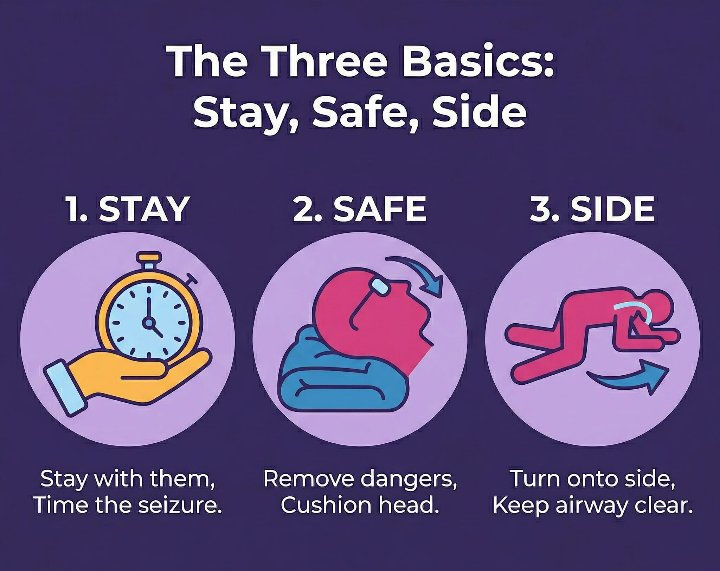
Organizations such as the Epilepsy Foundation recommend three simple steps for seizure first aid:
Stay with the person and remain calm. Time the seizure if possible.
Safe: Move nearby objects away and protect the person’s head. Do not place anything in their mouth.
Side: After the seizure, gently turn the person onto their side to help keep the airway clear.
Most seizures stop on their own within a few minutes. Emergency services should be called if a seizure lasts longer than five minutes or if another seizure begins immediately afterward.
Finding Strength in Community
Living with epilepsy can sometimes feel isolating, especially in the early stages after diagnosis. However, millions of people around the world live full and meaningful lives while managing epilepsy.
Resilience does not mean never facing challenges. It means continuing to pursue your goals, relationships, and aspirations while learning how to manage your health along the way.
An epilepsy diagnosis is not the end of your story, it is the beginning of a new chapter of understanding, self-advocacy, and strength.


Comments