


How to Support Someone with Epilepsy: Seizure First Aid, Independence, and Everyday Care

When someone you care about is diagnosed with epilepsy, it’s normal to feel uncertain about how to help. You might worry about their safety or feel anxious about what would happen if they had a seizure while you were together.
The good news is that being a strong ally doesn’t require medical expertise. What matters most is being informed, staying calm, and supporting the person in ways that respect their independence.
At YAWE, we often describe the best support systems as a balance of safety, understanding, and normalcy. Here are practical ways you can show up for someone in your life who is living with epilepsy.
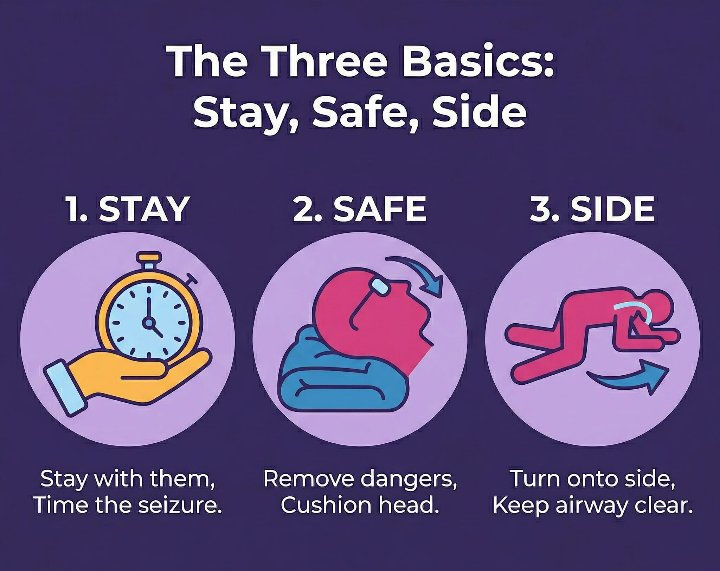
1. Learn the “Big Three” of Seizure First Aid

One of the most helpful things you can do is understand what to do during a seizure. When you know the steps, you replace panic with confidence.
Stay. Stay with the person and remain calm. Check the time so you know how long the seizure lasts. Most seizures stop on their own within a few minutes.
Safe. Move nearby objects that could cause injury and gently guide the person away from hazards such as traffic or sharp furniture. Do not restrain them and never put anything in their mouth.
Side. Once the seizure ends or if the person is unresponsive, gently turn them onto their side. This recovery position helps keep the airway clear.
Call emergency services if:
the seizure lasts longer than five minutes
the person is injured during the seizure
it is their first known seizure
seizures occur repeatedly without full recovery in between
Knowing these basics can make a huge difference in an emergency.
2. Respect Their Independence

For many young adults with epilepsy, one of the hardest challenges is maintaining independence. Friends and family sometimes respond by becoming overly protective.
While the intention is good, constant monitoring can make someone feel like they’ve lost control over their own life.
Ask, don’t assume. Instead of saying, “You shouldn’t go to that concert,” try asking, “Do you have a plan for managing the lights or late night? Let me know if I can help.”
Offer support without taking control. If someone temporarily loses their driver’s license, offer rides in a casual way. Saying “I’m heading that direction anyway, want to ride with me?” can feel far more supportive than making it seem like an obligation.
The goal is to support their safety while still respecting their autonomy.
3. Keep Things Normal

Epilepsy is a medical condition, but it shouldn’t dominate every conversation or define the entire relationship.
After a seizure, a person may feel tired, disoriented, or embarrassed. Offer a calm environment, a glass of water, or a place to rest. Once they recover, returning to normal conversation can help them feel more comfortable.
If a seizure happens in public Crowds sometimes gather out of curiosity or concern. A supportive friend can calmly explain the situation and create space for the person to recover.
A simple statement like, “They’re okay. It’s a seizure and we know what to do,” often reassures others and reduces unnecessary panic.
4. Recognize the Invisible Challenges

Seizures are the most visible part of epilepsy, but many people also deal with challenges that others may not immediately see.
Medication side effects. Anti-seizure medications can sometimes cause fatigue, mood changes, or difficulty concentrating. If someone cancels plans or seems unusually tired, try to be understanding.
Emotional well-being. People living with epilepsy have a higher risk of anxiety and depression. A simple check-in such as asking how they’re adjusting to new medications or routines can show meaningful support.
Listening without judgment is often one of the most valuable forms of help.
5. Create a Plan Together

The best time to talk about seizure support is before a situation occurs.
Consider asking questions like:
What does a typical seizure look like for you?
Is there anything specific that helps during or after a seizure?
Who should I contact if one happens?
Some people also choose to list trusted contacts in their phone as an ICE (In Case of Emergency) contact. If you spend a lot of time together, it may be helpful to be included.
Having a shared plan reduces uncertainty and helps everyone feel more prepared.
Support System
Supporting someone with epilepsy doesn’t require perfection. It simply requires a willingness to learn, patience during difficult moments, and the ability to stay calm when it matters most.
Your presence and understanding can help someone with epilepsy move through the world with greater confidence.
Sometimes the most powerful form of support is simply being the person who stays, helps keep things safe, and reminds them that they are never facing this alone.
Comments